The Nation is Because We Are: Building the Capacity of Teachers for the Future of a Nation

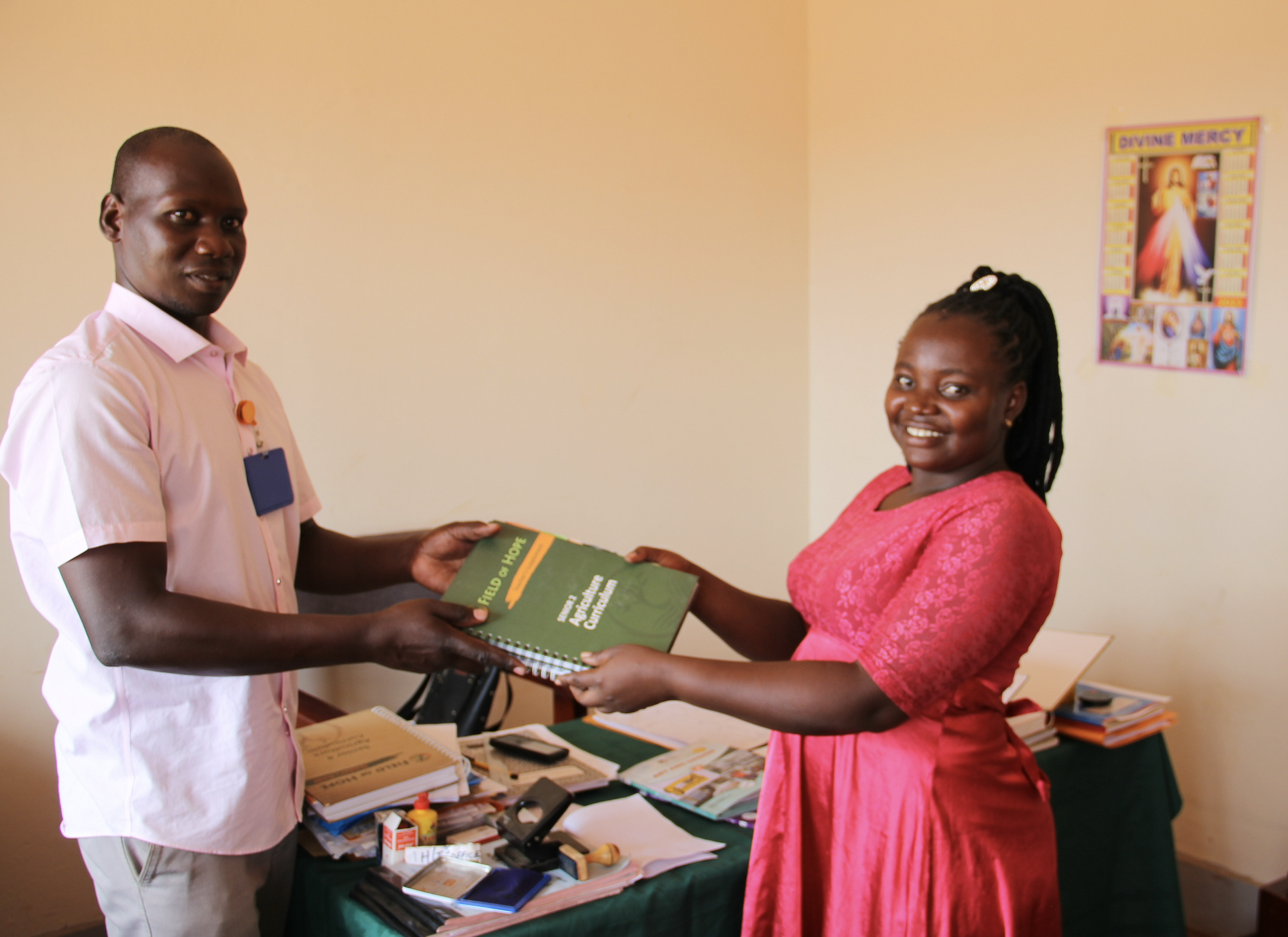
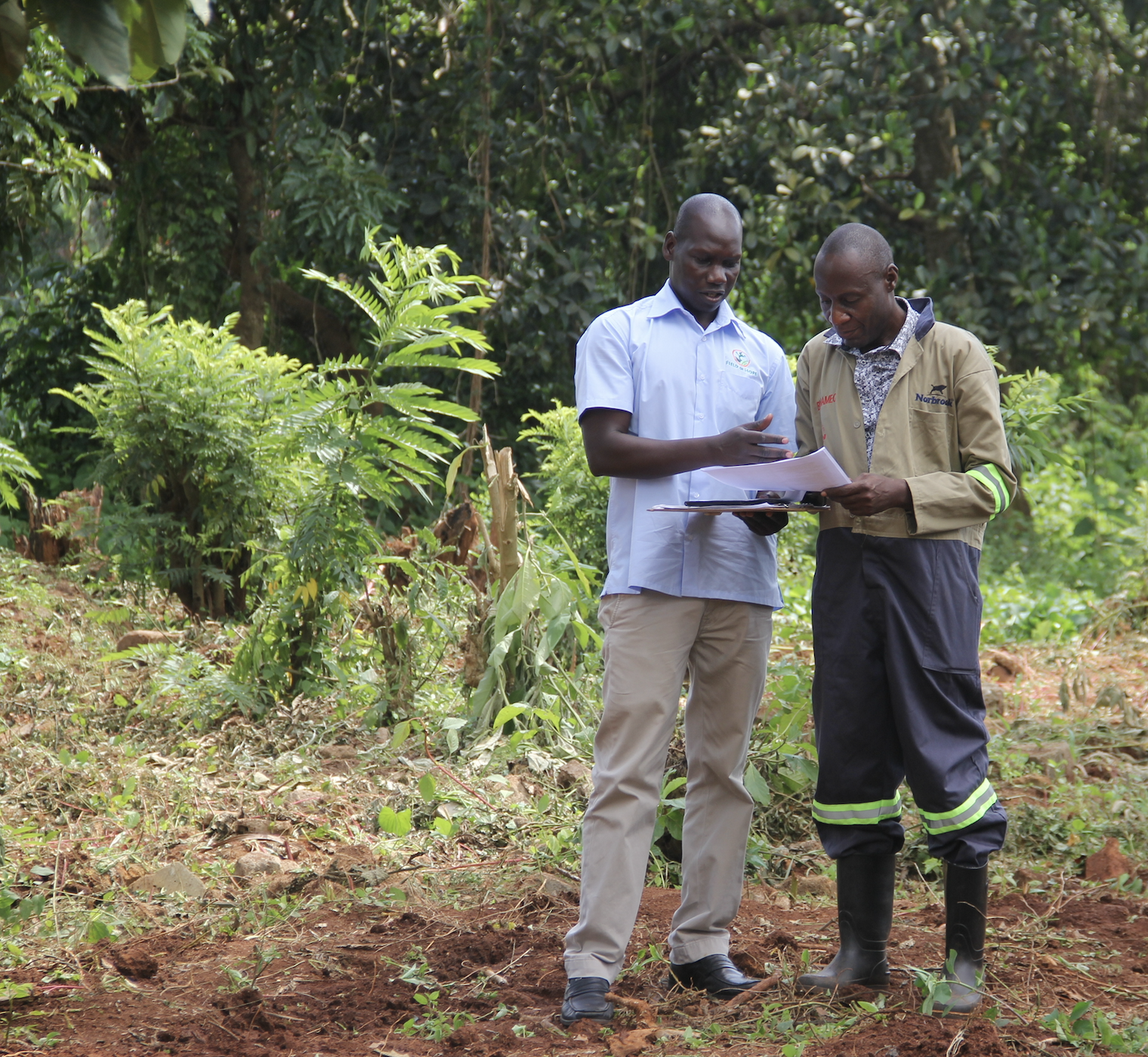
The quality of the citizen of country depends on the education systems of that country. As Uganda adopts the Competency-Based Curriculum to match the 21st century skills, many teachers are trapped in the knowledge-Based curriculum that advocates for memorization instead of competency. For such teachers to be equipped with the 21st century skills, their professional Development is key. A well-motivated and equipped teacher delivers the right content using the right teaching methods and strategies. The Field of Hope is one of the organizations in Uganda that takes the professional Development of Agriculture Educators across the country in the centre of its programs. Since 2019, Field of Hope has been conducting teachers training to build the capacity of the agriculture teachers to keep abreast with the 21st century skills.

But what skills do Ag Educators need to teach agriculture in a more inspiring way? Drawing from my own experience, I will share the knowledge and skills that I have built over the years as an Ag educator through either the institutions I attended, professional development or personal experience as an educator which helped me transform my classroom into a lively, hands-on learning environment where students are motivated to learn.

Do you know that the first 5 minutes of your lesson determines how interesting and interactive or boring the lesson will be? Yes, it is critical that you capture the interest and curiosity of the students. This needs a lot of creativity. I use the interest approach. This interest approach should be relevant to topic that you are going to teach, engaging, and provoke critical thinking. This can be a poem, song, a scenario etc.
Example, when introducing a topic on cereal growing, I may ask students to read a bible verse that talks about cereals.


For example, when introducing a topic on cereal growing, I may ask students to read a bible verse that talks about cereals example.

Say: Hello, class? Today we are going to start our lesson by ready a verse in the Bible. Our reading is taken from the book of Leviticus 2:1-11 which reads:

1When anyone offers a grain offering to the Lord, his offering shall be of fine flour. And he shall pour oil on it, and put frankincense on it. He shall bring it to Aaron’s sons, the priests, one of whom shall take from it his handful of fine flour and oil with all the frankincense. And the priest shall burn it as a memorial on the altar, an offering made by fire, a sweet aroma to the Lord. The rest of the grain offering shall be Aaron’s and his sons’. It is most holy of the offerings to the Lord made by fire.

‘And if you bring as an offering a grain offering baked in the oven, it shall be unleavened cakes of fine flour mixed with oil, or unleavened wafers anointed with oil. But if your offering is a grain offering baked in a pan, it shall be of fine flour, unleavened, mixed with oil. You shall break it in pieces and pour oil on it; it is a grain offering.

‘If your offering is a grain offering baked in a covered pan, it shall be made of fine flour with oil. You shall bring the grain offering that is made of these things to the Lord. And when it is presented to the priest, he shall bring it to the altar. Then the priest shall take from the grain offering a memorial portion, and burn it on the altar. It is an offering made by fire, a sweet aroma to the Lord. 10 And what is left of the grain offering shall be Aaron’s and his sons’. It is most holy of the offerings to the Lord made by fire.

11 ‘No grain offering which you bring to the Lord shall be made with leaven, for you shall burn no leaven nor any honey in any offering to the Lord made by fir

Ask. What are the key words that you got from the bible verse?

Listen for: Grian, Offering, Priest, Aroma, Oil, Aroma

Say: Thank you all for the answers that you have given. From those I will pick three key words Grain, flour, and Aroma.

Ask. How many of you have ever grown cereals? Which type of cereal did you grow?

Listen for: maize, sorghum, rice, wheat

Ask: What did you use the cereal for?

Listen for: for making porridge, feeding animals, making posho.

Say: Thank you all so much for sharing your experience on cereals. For those that have not grown, we will learn together.

Say: So today we shall learn about cereal growing.

Such interest approach helps connect the learner’s experience to the topic you are going to teach which makes learning more relevant and applicable to their environment. I have had scenarios where teachers mixed interest approach with an energizer. Energizers are intended to get the class excited or awake, and they often do not relate to the lesson that a teacher is going to teach. However, an interest approach builds curiosity and engagement and should always relate directly to what you are teaching.

As an ag educator, you should be personally motivated. Therefore, writing your own teaching philosophy is key. A well thought philosophy will be a good reminder of your values and beliefs or commitment as an educator. To craft a good teaching philosophy, you need to consider your role as an educator, how you expect the students to learn and what teaching methods and strategies you think will make the students understand the concept you are teaching. Here is the creed one of Field of Hope partner teacher pinned on his room.

A Creed is one of the powerful things that I have trained agriculture teachers to write with their students. During the support supervisions that I conducted to Field of Hope partner teachers, I have honestly admired how learners recite their well-crafted creeds with love, and passion. I advice that the creed should be pinned on the classroom wall and the students recite it frequently. This makes them have shared belief, get motivated and give them a sense of purpose and commitment that eventually, inspires them into taking careers in agriculture. This is a creed from senior three Agriculture students, Nabumali Secondary School.

Knowing your students is critical as an Ag Educator. In every class we teach, there are extrovert, introvert and ambiverts. There are those with different backgrounds and learning styles. Knowing all these personalities helps you in co-creating of instructional materials and selecting methodologies and techniques to use in your classroom.

Are you aware that what we teach in agriculture if not all then most of them our students have interfaced with? That means it is important that we integrate students experience into our teaching. Structuring our teaching from known to unknown makes our students understand the concepts we teach easily. I always build my discussions from what the students know and mention in the classroom, which makes my lesson more interactive and engaging as students feel their experience, ideas and thoughts are valued.

Experience have shown me that agriculture is taught best when you have an outdoor laboratory were students conducts hands-on learning. Therefore, as an Ag Educator try as much as possible to set up a project(s) which the students have experiential learning. This could be in pots, buckets or in the open garden. Learners love to explore agriculture beyond the four walls of the classroom. Schools with limited space, can practice urban farming. I have utilized and witnessed teachers use projects in their communities for pedagogical purposes to interface with and discover solutions to real world challenges in agriculture.
This is a good opportunity to learn from the community and for the community to learn from students or teachers.


It is true that if not all then most schools do not have most of the tools or equipment or resources that the curriculum requires us to teach. Integration of Information Communication and Technology (ICT) has done wonders in my classroom. It makes me access these tools and equipment or resources that are either not available in my school or very expensive to afford. These ranges from virtual reality to simulations or YouTube videos.
Integration ICT in teaching has made my class very interactive and engaging as it helps students to generate questions and conduct research at their own pace.

Coaching and mentoring are key to students that we teach. Remember, they at the age of taking critical decisions that will determine their future careers. As an ag educator, I frequently conduct both group and individual career sessions to make my students understands what exist in agriculture industry. My guidance helped many get excited about agriculture.

As stated by William Author Ward “The mediocre teacher tells. The good teacher explains. The superior teacher demonstrates. The great teacher inspires.” Let’s be the teacher that teacher who inspire students to love agriculture. Let us not stop learning, since live will never stop teaching.

David Obong, Program Officer, Youth Agriculture Education Pillar Head


My Recess Journey: Growth Beyond the Classroom

At Busitema University, learning doesn’t end in lecture halls. My recess term at the university farm was a powerful reminder that education thrives in the field—where theory meets practice and passion meets purpose. Sponsored by Field of Hope, I had the incredible opportunity to immerse myself in practical agriculture, gaining real-world skills that will shape my future.

Here’s a glimpse into how I spent my recess—transforming knowledge into action across various agricultural sectors.


  1. Buzzing with purpose: Beekeeping

I started with apiary management, where I learned how to rear bees and produce honey and other by-products like wax and royal jelly. I practiced hive installation (Langstroth being the best option), baiting techniques, bee handling, honey harvesting, and pest control. The highlight? Bottling honey I helped extract. Beekeeping taught me patience, safety, and the power of pollinators in food production.


  1. Waste to feed: Black soldier fly farming

This innovative approach to producing high-protein animal feed from organic waste fascinated me. I explored the Black Soldier Fly’s lifecycle and how its larvae convert waste into sustainable feed. I built rearing units, managed larvae production, and processed them into feed. It’s a smart, eco-friendly solution to feed shortages in livestock farming.


  1. Piggery: From breeding to biosecurity

In the piggery unit, I got hands-on with housing design, feed formulation, heat detection, breeding (including AI and natural mating), and disease control. I learned to identify common pig diseases and administer treatments. Proper sanitation, deworming, and record-keeping were critical in maintaining healthy pigs.


  1. Poultry: Raising layers for success

Focusing on layer chickens, I started from the brooder stage with 1-day-old chicks and followed through to the egg-laying stage. I mastered feeding stages, vaccinations (e.g., Marek’s, Lasota, Gumboro), disease management, and housing transitions. This training built on what I already practiced at home—deepening my love for poultry farming.


  1. Small but mighty: Goat rearing

Goats are resilient, low-maintenance animals. I studied their housing, breeding cycles, feeds, and disease management. I also learned to handle health practices like vaccination, ear tagging, hoof trimming, and treating diseases such as PPR and foot rot. Goat rearing is indeed a viable enterprise for both rural and urban farmers.


  1. Big impact: Cattle farming

I explored dairy and beef cattle management, including housing design, calf rearing, artificial insemination, and proper feeding. Health management was key—East Coast Fever, anthrax, and mastitis were among the diseases I learned to diagnose and manage. I also practiced calf bucket feeding and record-keeping, preparing me for full-cycle cattle farming.

  1. Natural nutrition: Pasture management

Pastures are vital for healthy livestock. I studied both natural and improved grasses and legumes, such as Napier and desmodium. I learned about pasture establishment, weeding, fertilization, and conservation methods like hay and silage preparation. Well-managed pastures significantly reduce feed costs and improve livestock productivity.


  1. Planting with purpose: Horticulture and agroforestry

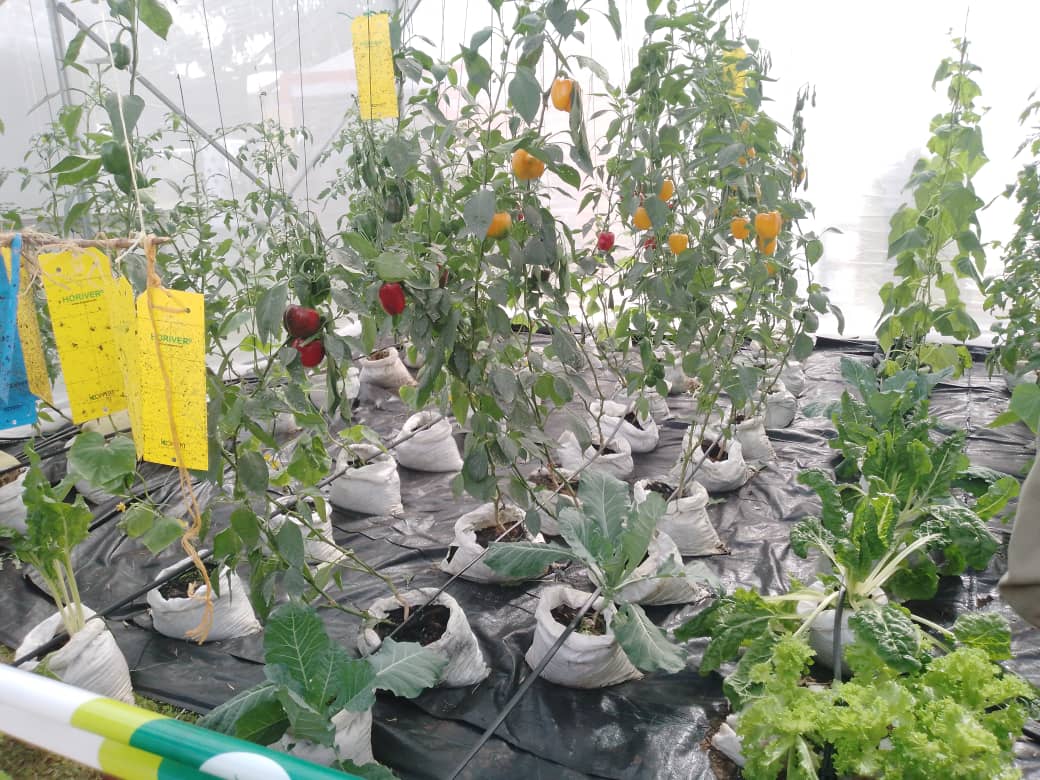
My horticulture training took me from onion nurseries to transplanting and pest control. I also explored flower gardening, greenhouse management, and fruit orchard care. In agroforestry, I discovered land-use systems that integrate trees, crops, and animals—sustainable and productive for long-term food security.

  1. Powering progress: Agricultural mechanization

Finally, I delved into mechanization—learning to operate tractors, identify tools, maintain equipment, and even weld structures. Understanding both powered and hand tools opened my eyes to the potential of large-scale farming. I practiced post-harvest handling and value addition, key for agribusiness success.


Gratitude and Vision ahead

This recess term was more than a learning experience—it was a turning point. I am deeply thankful to Field of Hope for your unwavering support. Your sponsorship empowered me to explore my potential, gain critical skills, and dream bigger.

With what I’ve learned, I’m ready to impact my community, innovate in agriculture, and uplift others. Thank you for believing in me.


May God bless you abundantly.

By Cherotich Tracy Faith: Field of Hope-sponsored student,    Busitema University.

My Experience in Uganda: Gracie Fisher

My experience in Uganda was far from what I expected, but it became a trip I will remember for my lifetime. I want to share my story about my journey to Uganda and my time with Field of Hope.

I remember the first time my aunt seriously suggested that I apply for the summer fellowship late last year, I had many doubts and worries but trusted her. After my first call with the team I was instantly at ease, they were so welcoming, it already felt as if we were family.  When I found out I was selected to go I never felt another doubt on the Field of Hope side of things. They were constantly checking in, making sure I was prepared, and putting my worries at ease.

Fast forward to the day before my departure, there was a bump in the road. I needed an unexpected mouth surgery, but by the grace of God, less than 24 hours later I was on a plane to Uganda. The trip was not easy and there were many moments when I thought, “What am I doing?”, but when I landed I instantly knew I was exactly where I was meant to be. I was excited to spend my summer there.

About three weeks in, I was settled in and had a routine when my mouth flared up again. My first thought was I can’t tell anyone because I did not want to take the chance of going home, but after a few hours I knew the smartest decision was to call home. When my family told me the best decision was to come back, I was truly heartbroken. The next 48 hours were a blur, and it took a while to adjust to being back in the United States. But with time to reflect, I’ve realized many things.

My first thought when this happened was, “Why me?”, but after sitting with it I realized I shouldn’t ask, “Why me?” because I had to come home early but rather “Why me?” that I was blessed enough to go in the first place. I believe with all my heart that everything happens for a reason. Sometimes we may never know that reason, but we just have to trust.

I truly could not have asked for a better organization to be with during this time. Field of Hope has been incredible. They have continued to make me feel a part of the family and have allowed me to keep contributing from home, which I am so thankful for. They gave me this opportunity I will never forget.

I miss the connections I made in Uganda deeply, and I pray that one day I will be able to see them all again. Thank you, Field of Hope.


Gracie Fisher, Fellow ’25

Empowered to lead, grow, and transform: My journey with the Marshal Papworth Program 2025

Earlier this year, I was blessed with an incredible opportunity, thanks to Hands Around the World (a Field of Hope partner), in partnership with the Marshal Papworth Fund (MPF), to take part in the 2025 MPF short course program. What I thought would be just a training quickly turned into something much deeper: a journey of empowerment, growth, and hope.

This program brought together 16 participants from 6 African countries to the UK, each of us passionate about agriculture and eager to create change in our communities. The curriculum was rich and practical, covering everything from crop and livestock management to agribusiness training, leadership development, and community engagement. What made MPF unique was the perfect balance between hands-on fieldwork and in-depth classroom sessions as admistered by Harper Adams University top-notch lecturers in their state of the art learning facilities. Whether it was soil health, mechanization, post-harvest handling, or market engagement, every lesson spoke directly to the realities farmers face daily.


But what touched me most were the sessions on leadership and mindset transformation. These moments stretched us beyond technical skills and challenged us to see ourselves as visionaries, change agents, and servant leaders.

“For me, this wasn’t just training, it was a call to lead with purpose and courage.”

I came away not only learning but also leading. The sessions on project management, group dynamics, and organizational leadership inspired bold visions in all of us. Some of my fellow participants have already started demonstration farms, savings groups, and farmer-led cooperatives. Personally, I am focusing on reducing post-harvest losses among smallholder farmers by promoting hermetic storage technologies and other innovative solutions among other ideas to transfer to the farmers. Seeing these efforts already sparking change at the grassroots level makes me hopeful for the future.

This resonates so strongly with Field of Hope’s mission of equipping leaders to lift their communities through agriculture and faith. Through this program, I experienced that mission firsthand, igniting in me both an entrepreneurial spirit and a servant-leadership mindset.

Another turning point for me was how the program shifted my view of agribusiness. Like many, I once saw farming mainly as survival. The MPF program opened my eyes to farming as a business, a source of income, sustainability, and community transformation. Concepts like value addition, global marketing strategies, and business planning hit home for me, and now I see my community not just as farmers but as entrepreneurs capable of driving innovation and creating jobs.

Perhaps the most beautiful outcome, however, was the friendships and networks we built. Despite coming from different regions, we shared the same struggles and dreams. Today, those connections are blossoming into collaborations, support systems, and lasting bonds that remind me that transformation is never a solo journey, it thrives in community.

Beyond the Classroom: Experiences in the UK

Alongside the classroom and fieldwork, the program also gave us remarkable opportunities to immerse ourselves in the history, culture, and innovation of the United Kingdom.

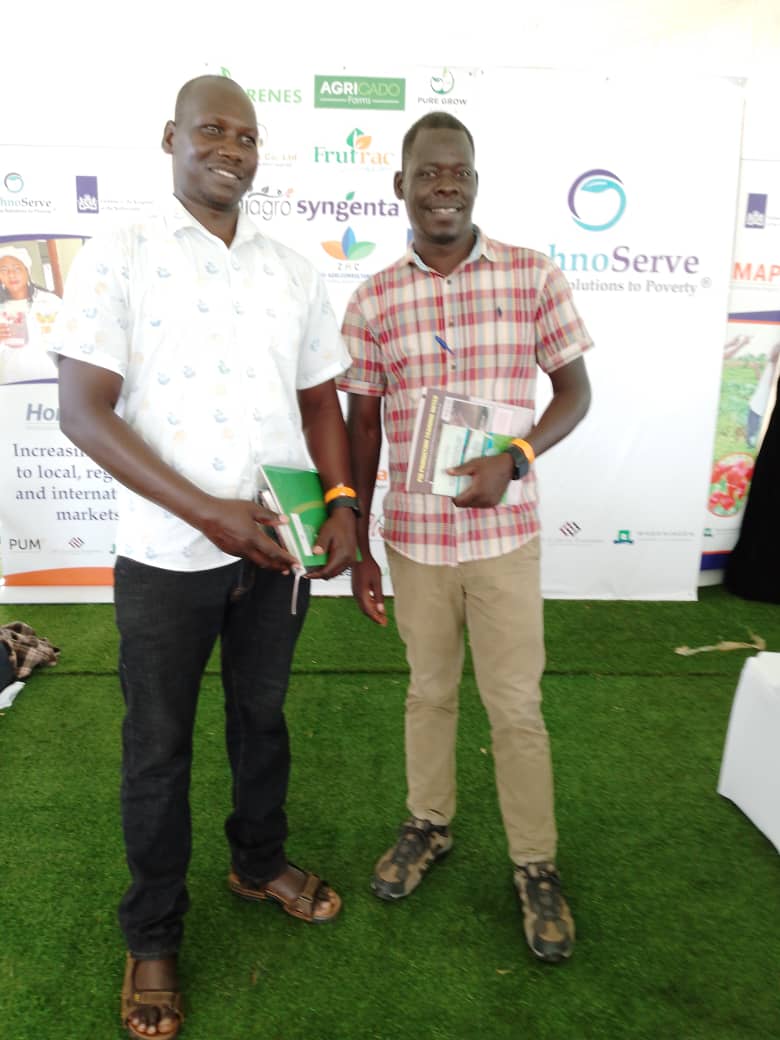
One highlight was attending and presenting at the Lincolnshire Agricultural Trade Show, where we engaged with farmers, agribusinesses, and innovators from across the UK. Sharing perspectives from Africa while learning about cutting-edge technologies was truly inspiring, it reinforced the global nature of agriculture and the possibilities that come with collaboration.

We also had the joy of experiencing the periodic string musical extravaganza, performed by incredible crews in their 70s and beyond. Watching them play with such energy and passion reminded me that age is no barrier to creativity, joy, and lifelong learning.

Of course, we explored the UK’s rich cultural and historical landmarks. In London, we toured Buckingham Palace, London Bridge, the Tower of London, Parliament Square, Westminster Abbey, the UK Houses of Parliament, the London Eye, Big Ben, and St. James Park. We also visited the Iron Gorge and the Black Country, places steeped in industrial history that shaped modern society.

And as a football fan, visiting legendary stadiums was a dream come true; Old Trafford (Manchester United), Etihad Stadium (Manchester City), Molineux (Wolves F.C), St. Andrew’s @ Knighthead Park (Birmingham City F.C) and, most importantly, as a proud Arsenal fan, stepping into the Emirates Stadium was an unforgettable moment!

The journey culminated in a moving graduation ceremony, officiated by the Vice-Chancellor of Harper Adams University, with the presence of MPF leaders and program partners. Standing on that stage, surrounded by fellow participants and supporters, I felt an overwhelming sense of gratitude and responsibility. It was more than just receiving a certificate, it was a commissioning to return home and lead with courage, innovation, and faith.

Looking ahead: Sustaining the momentum

As I reflect, three key lessons stand out for me:

  • Context matters; training that speaks to our local realities is more effective.
  • Peer learning is powerful; we grow faster when we learn together.
  • Ongoing support is vital; mentorship and opportunities for growth sustain impact.

I am deeply grateful to the Marshal Papworth Foundation, Harper Adams University, Hands Around the World and Field of Hope for believing in leaders like me and investing in our future. This experience proved to me that when agricultural training is combined with leadership development, cultural exchange, and spiritual growth, the result is more than just improved harvests, it’s a true harvest of hope.


Walter Okullu,

2025 MPF scholar


Rooted in Uganda: Lessons in Agriculture and Connection

My time at Field of Hope this summer was nothing short of amazing. It was a long-awaited opportunity to experience Africa, and Uganda proved to be the perfect place. Field of Hope provided me with a space to immerse myself in Ugandan food, culture, and language, all while contributing to meaningful agricultural development and forming lasting connections with the local community.

While in Lira, I was assigned to work with Tom Anyii at TAF Assured Mixed Farm. TAF is comprised of 3 different farms, each highlighting different sustainable agricultural practices. Tom was inspired to revitalize his farm by making the most of his land after a conference visit to the Netherlands. In the mornings, I started work on the agrotourism farm where I learned how to manage a successful livestock operation. In addition, I was also learning the local names of various staple crops, such as buga (eggplant) and nywagi (maize). Every day, I was welcomed by Tom and his team with bright smiles and the local greeting (Itye ningo?).

Annually, Uganda produces up to 200,000 metric tons of honey. Strong demand for bee products, combined with low startup costs, makes apiary farming a popular and profitable business in Uganda. As TAF stands for Training Apiary Farmers, Tom saw beehives as a perfect way to utilize his land. Much of my time was dedicated to constructing the TAF improved beehive. In Uganda, traditional beehives were stored high in trees and took on a cylindrical shape. This posed an issue for the safety of women, as it is conventional in Lira for women to wear skirts, as well as children, who may not have been able to reach. Tom’s dedication to increasing opportunities for women and children inspired him to create the TAF improved beehive. These beehives have a semicylinder shape and are placed on welded metal legs, about 3 feet high. Additionally, the tree used in the improved beehives is more durable and has a longer life span of 25-30 years.

When I wasn’t working on the beehives or the agrotourism farm, I spent time with Tom’s eldest daughter, Winnie. Winnie and I got along very well, and it was through her that I learned much about women’s roles in Uganda. I dedicated a considerable amount of time assisting her with her black soldier fly operation- an innovative practice I had never heard of until meeting her. Black soldier flies play a vital role in reducing animal waste and enhancing soil health. Once more, I was exposed to another unique agricultural method, further expanding my perspective and growth as a future educator in agriculture.

During my international education experience, I grew extremely close to all the staff. As a tribute to the meaningful connections I made, I planted a memorial mango tree on the agrotourism farm and named it Atudu- the Lango name for duck! – Kiwi. I am deeply grateful for my experience with Field of Hope and TAF. This exposure has significantly broadened my understanding of agriculture. Through this experience, I have gained insight into smallholder entrepreneurship in Uganda, gender equality initiatives, sustainable farming practices, and ongoing efforts to decrease poverty and enhance food security.

Kennedy Spiller, Tuskegee Fellow ’25

Resource Mobilization Mastery: Crafting compelling Grant proposals for FOH

From April 9th to 11th, 2025, the Field of Hope team embarked on a comprehensive three-day training aimed at strengthening their skills in resource mobilization and grant management. Comprising five dedicated staff members, the training was meticulously designed to equip the organization with the tools necessary to identify funding opportunities, develop impactful proposals, and manage funded projects effectively. This highly impactful training was designed and conducted by a team of consultants i.e Joanita and Arafa, who have worked in this space for over 10 years.

The training’s core purpose was to build the capacity of Field of Hope staff to navigate the full cycle of resource mobilization—from spotting potential funding sources to ensuring successful project implementation and sustainability. The key objectives included improving the team’s ability to:

Identify and assess funding opportunities, enhance proposal writing skills, develop a clear Theory of Change (TOC) and logical frameworks and align proposals with donor interests, National Development Plan and Sustainable Development Goals.


To maximize engagement and learning, the training employed active learning techniques such as Presentations: PowerPoint-based sessions provided foundational knowledge, group Exercises: participants collaborated and presented findings to foster teamwork and case study analyses: hypothetical scenarios were examined to apply concepts practically and improve problem-solving skills.


Day One: Foundations of Resource Mobilization

Being the first day, it started on a relatively slow note, with God’s presence beig called amidst us, short remarks from the leadership, followed by introductions from both Field of Hope and AVSI teams. Participants shared their expectations, primarily focusing on understanding the process of resource mobilization and where to find grant opportunities. The team explored why mobilizing resources is vital—impact expansion and organizational sustainability being top reasons.

A self-assessment using the Organization Capacity Assessment Tool (OCAT) emphasized the importance of having a strategic plan, organizational policies, and policies on child protection, gender balance, and security—all critical for donor confidence. The day also covered donor landscape analysis, resource mapping, and building strong relationships with partners.


Day Two: Project Planning and Proposal Development Day two focused on problem analysis, with an emphasis on community participation in identifying issues. The team learned how to use solution tree analysis to address challenges, such as farmers’ lack of access to markets, by examining root causes.

The session introduced the Theory of Change (TOC) and Logical Framework (Log Frame) as tools for strategic planning and monitoring. Participants were encouraged to align proposals with National and Sustainable Development Goals, and to leverage survey data and statistics for evidence-based proposals.


Day Three: Proposal Writing and Donor Readiness The final day concentrated on crafting compelling proposals. Trainers outlined the essential elements—problem statements, goals, objectives, budgets, and work plans—and stressed the importance of tailoring language to meet donor expectations.

Participants also explored various grant application platforms like ENABEL and NORAD, learning the step-by-step process of applying for funding and the importance of proper documentation, including CVs, policies, and strategic plans.


Key Takeaways and Future Steps

The training culminated in several actionable recommendations such as to establish a dedicated Monitoring & Evaluation (M&E) unit, develop and update strategic and Theory of Change documents regularly, formalize procurement, financial, and data protection policies, increase engagement with donors through participation in coordination meetings and create a resource mobilization strategy aligned with organizational interventions.

The team will stay in contact with facilitators for ongoing support, including developing a TOC for upcoming funding opportunities like NORAD. A follow-up workshop is planned to reinforce skills and address any remaining gaps.


This intensive training has significantly boosted Field of Hope’s capacity to mobilize resources effectively, develop quality proposals, and manage grants successfully. Strengthening these skills is a strategic step towards ensuring the organization’s sustainability and expanding its impact within the communities it serves.


We therefore take this opportunity to thank Field of Hope donors and management for investing in its staff as a way to create a sustainable pathway to advacing its mission.


God bless you all.


Walter Okullu, Country Coordinator

Familiar

It feels like I’ve been here before.

The caw of the rooster waking you up;

The organized chaos of the traffic;

The smell of dust is sweet to me.

I can feel the Earth beneath my feet;

I can see the stars.

I can taste the sweetness of the fruit;

I can hear myself think.

It’s so nourishing,

The connection with the Earth.

When I stand, I’m rooted,

And when I fall, I feel welcome.

They tell us dreams are made

In a concrete jungle,

But concrete is made.

The Jungle is.

Is paradise really white and smooth?

Is it like a diamond, lustrous and bright?

Or is it green and brown and natural,

Like the Jungle where diamonds are from?

Reuben Miree, Tuskegee Fellow ’25

How One Walk Brought Water to Three Villages

Let’s play a little game.

Go to your sink. Turn the faucet on. Fill a glass.

Now imagine if you had to walk six kilometers (about 3.7 miles) just to make that glass of water happen. Not once, but several times a day.

That’s the reality for many people in northern rural Uganda. But thanks to your steps—yep, you, the one who walked the Walk for Women 6K this spring—1800 people no longer have to make that daily trek.

In June, Field of Hope completed a deep borehole well project in Alebtong District, Uganda. And the story of how it came to be is one of generosity, grit, and gallons—lots of them.

Back in May, 127 of you laced up your shoes and hit your sidewalks, trails, and treadmills to stand in solidarity with the women who walk each day for water. Together, you raised $56,684—not just with your feet, but with your hearts, your voices, and your social media feeds.

That walk turned into a fully completed borehole that now connects three villages, bringing clean water to more than 1800 people. For some, that means drinking water that’s safer and more reliable. For others—like one woman who used to have to pay young girls to gather water because of physical limitations—it means saving the income she works so hard to earn, and gaining a new sense of independence.

The average American uses almost 100 gallons of water per day. In Alebtong, before this borehole? Some families were using just a few liters, rationed carefully between drinking, cooking, washing, and farming.

With this new well, life looks different. Girls have more time for school. Mothers are safer walking shorter distances. The clean water from this well will reduce waterborne illness and will improve crop irrigation. It is this kind of project that will ripple for generations.

While the borehole is a huge step forward, we’re not done. Field of Hope is working on a WASH (Water, Sanitation, and Hygiene) curriculum to build on this infrastructure with education that changes behaviors and deepens impact. Think about: lessons on safe storage, hygiene habits, and community care of shared water points.

Plus, we’re already dreaming about future well projects—because no one should have to choose between water and safety, water and school, water and work.

Whether you walked 6K, donated, or simply cheered someone on, know this: you were part of something transformational.

Water is life. And because of you, water is flowing in the Alebtong District.

Olivia Murphy-Sweet, Executive Director, Field of Hope

How One Walk Brought Water to Three Villages

Let’s play a little game.

Go to your sink. Turn the faucet on. Fill a glass.

Now imagine if you had to walk six kilometers (about 3.7 miles) just to make that glass of water happen. Not once, but several times a day.

That’s the reality for many people in northern rural Uganda. But thanks to your steps—yep, you, the one who walked the Walk for Women 6K this spring—1800 people no longer have to make that daily trek.

In June, Field of Hope completed a deep borehole well project in Alebtong District, Uganda. And the story of how it came to be is one of generosity, grit, and gallons—lots of them.

Back in May, 127 of you laced up your shoes and hit your sidewalks, trails, and treadmills to stand in solidarity with the women who walk each day for water. Together, you raised $56,684—not just with your feet, but with your hearts, your voices, and your social media feeds.

That walk turned into a fully completed borehole that now connects three villages, bringing clean water to more than 1800 people. For some, that means drinking water that’s safer and more reliable. For others—like one woman who used to have to pay young girls to gather water because of physical limitations—it means saving the income she works so hard to earn, and gaining a new sense of independence.

The average American uses almost 100 gallons of water per day. In Alebtong, before this borehole? Some families were using just a few liters, rationed carefully between drinking, cooking, washing, and farming.

With this new well, life looks different. Girls have more time for school. Mothers are safer walking shorter distances. The clean water from this well will reduce waterborne illness and will improve crop irrigation. It is this kind of project that will ripple for generations.

While the borehole is a huge step forward, we’re not done. Field of Hope is working on a WASH (Water, Sanitation, and Hygiene) curriculum to build on this infrastructure with education that changes behaviors and deepens impact. Think about: lessons on safe storage, hygiene habits, and community care of shared water points.

Plus, we’re already dreaming about future well projects—because no one should have to choose between water and safety, water and school, water and work.

Whether you walked 6K, donated, or simply cheered someone on, know this: you were part of something transformational.

Water is life. And because of you, water is flowing in the Alebtong District.

Olivia Murphy-Sweet, Executive Director, Field of Hope


Welcomed with Warmth: My First Week in Uganda with Field of Hope

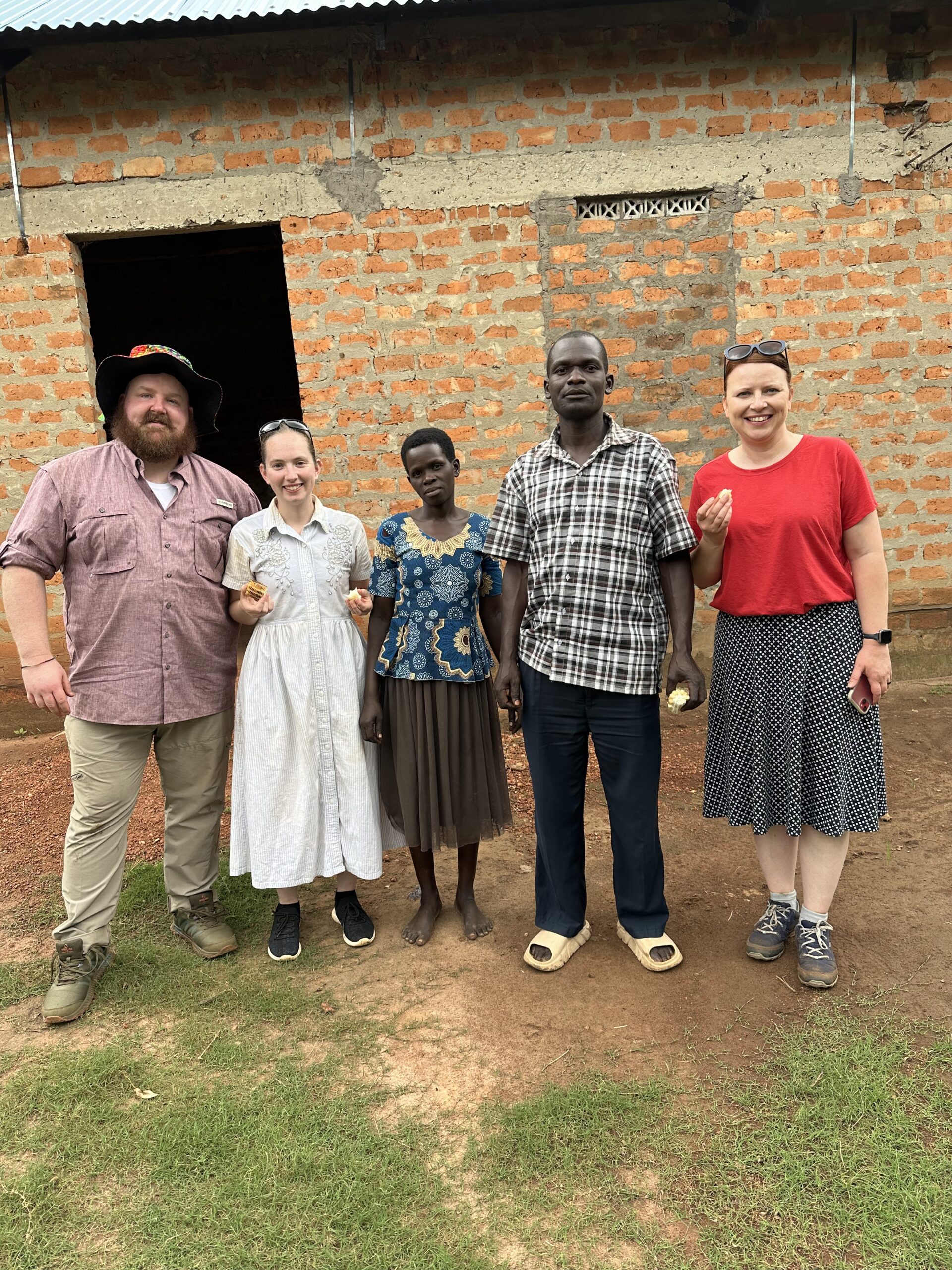
From the moment the plane landed in Uganda, I was amazed at the scenery. I was immediately met with a cool breeze complemented by lush greenery. I remember riding in the car and watching the bustling city life pass by through the car window. Women walked alongside the roads in bright fabrics, with miscellaneous items carefully balanced on their heads. Of course, one of my many goals while in Uganda is to stretch myself to try the local foods. In our visit to a village in Alebtong, I found that the people there were very hospitable. They fed us fresh beans, rice, and stew chicken, along with some local foods, posho, and local vegetables. I’m very appreciative of the resources and time they sacrificed to make us feel welcome!

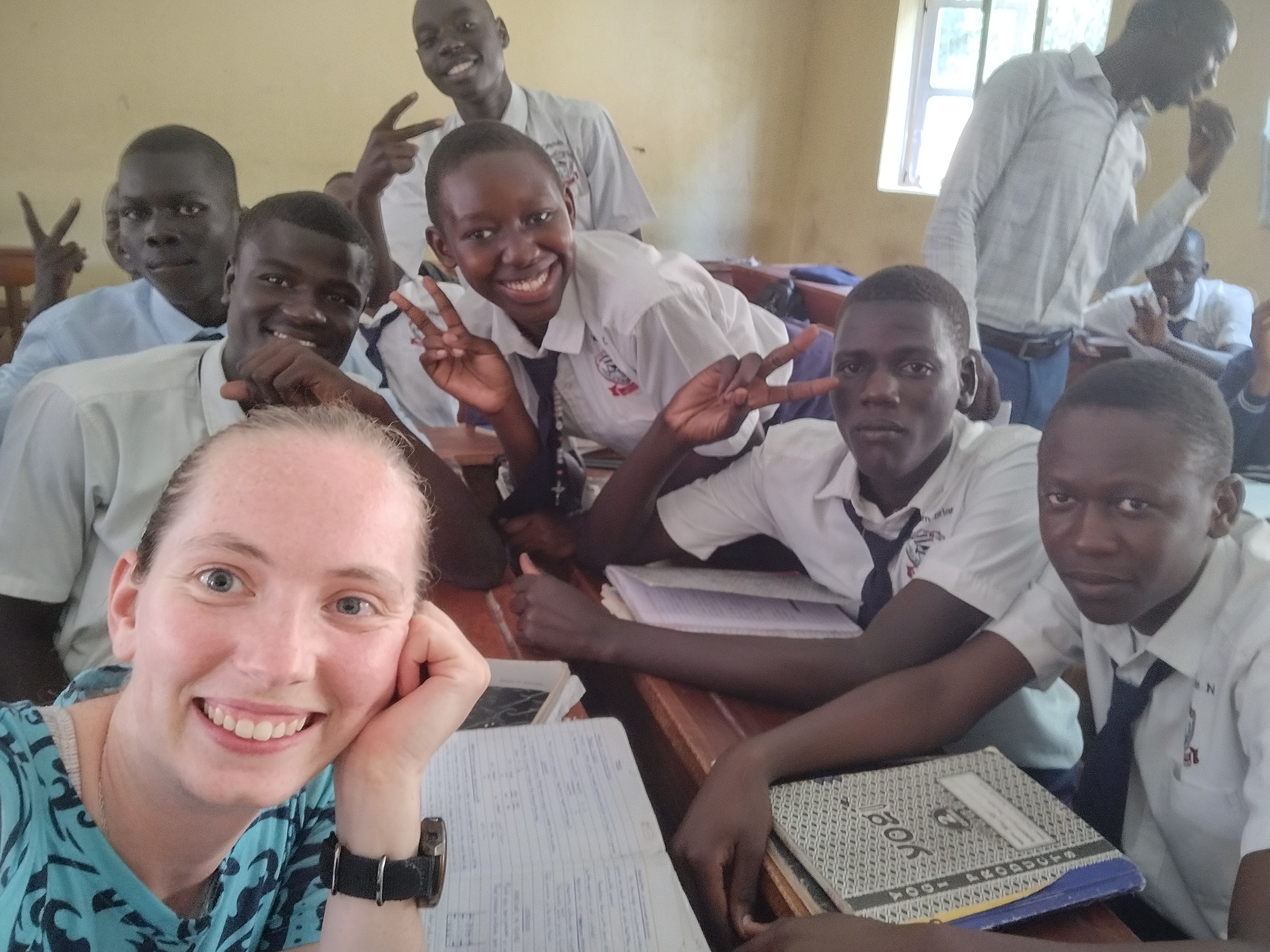
My first week in Uganda consisted of getting to know the Field of Hope team and exploring Lira. We had the opportunity to visit various schools and speak to the students about their projects. During our discussions, I found it very surprising how hands-on the students were able to get. Many of the tasks they did on a routine basis, deworming and selling products to market, for example, are skills that I did not gain until I enrolled in college. I was astounded to see how much responsibility each pupil held within their schools and the project. It was fascinating to see firsthand the lives that Field Of Hope is changing.

Kennedy Spiller, Tuskegee Fellow ’25